
Aerospace Measurement Solutions
Reliable fiber optic sensors for flight testing, spacecraft systems, turbine monitoring, cryogenic propulsion, and extreme aerospace environments.
Aerospace Engineering
Aerospace sensor applications are among the most demanding in the world. Philtec sensor systems have been successfully engineered into these extreme environments:
- Pressurized Cryogenic Fluids – liquid oxygen and liquid nitrogen
- Extreme Temperatures – down to 4°K and up to +450°C
- Ultra-High Vacuum
- Strong Vibrations
- Radiation Resistant Sensors
Flight Testing
Spacecraft
Rocket Engines
Turbines
Mars Programs
Telescope Systems
Flight Tests
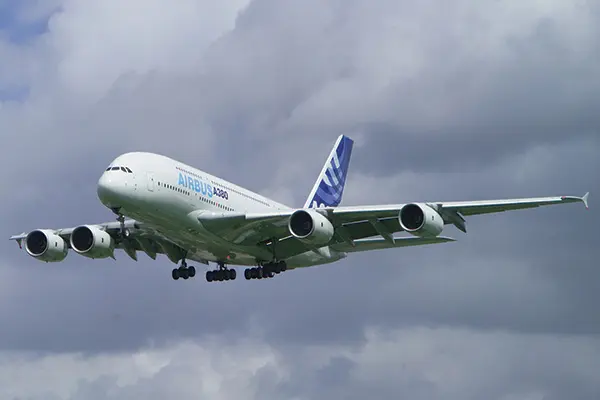
Philtec sensors were used to measure Thrust Reverser performance during static and flight tests of the A380. 90° Probe measured the distance between the inverter and engine.
Sensor Requirements
- ±15 mm Displacement
- -55°C to 150°C
- 90° Sensor Probes
- 300 Hz Frequency Response
Flight Test Sensors
Fiberoptic Tachometer
- Weight: 2 lbs. amplifier; 3/4 lb. each fiberoptic ass’y
- Displacement Range: 2 inch (50 mm)
- Vibration: 5 g rms, 5 Hz -2KHz, in any axis
- MS style connector for (+28 volt) input power and output signal
- Detachable Probes, Straight Tips and 90°Tips
Tip Operating temp. -45C to 200C
Small Flight Test Sensors
A customer required the smallest sensor for integration into a flying object.
Sensor Features
- Electronics Weight : 6.5 ounces
- Input/Output via Micro-D Connector MIL-DTL-83513
- Grounded Enclosure with Thru Hole Mounting
- Icing Research
- 90° Sensor Tips
- Measure Wing Tip Vibrations
With Icing Condition
Icing Research
90° Sensor Tips
Measure Wing Tip Vibrations
With Icing Conditions

Turbine Testing and Development
High Speed Spin Tests
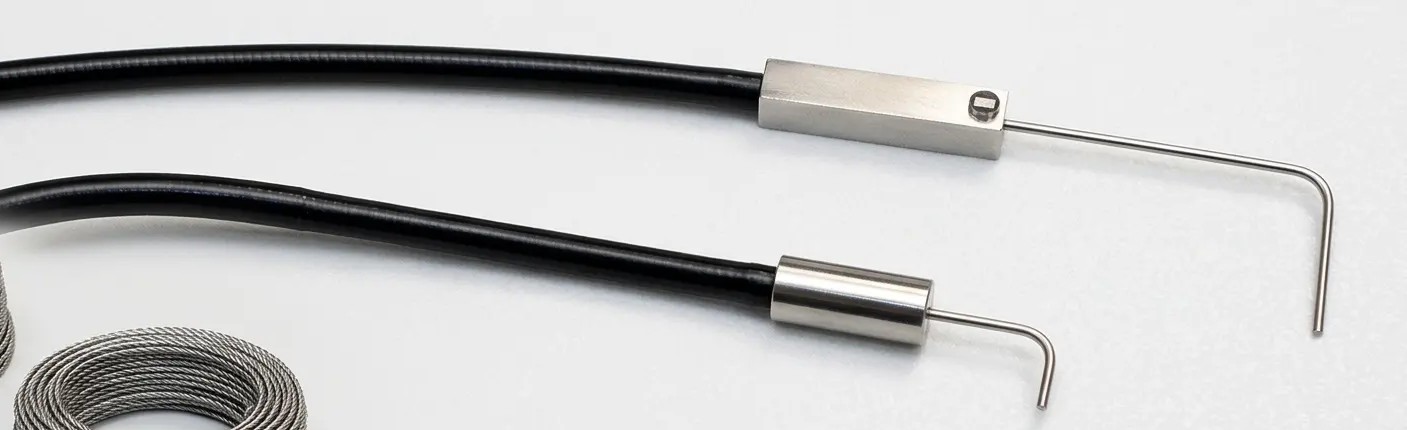
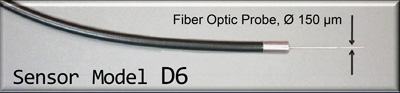
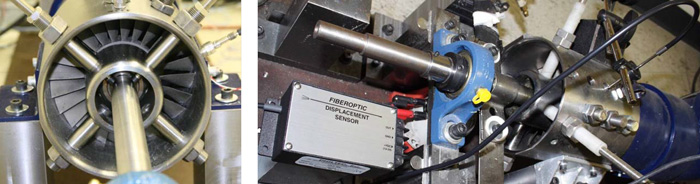
90° Probes Measure Radial Growth: Small Fiber Optic Probe is shown next to the larger capacitance sensor.
Aircraft Engine Tests
Conditions
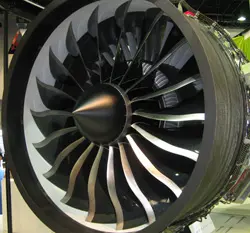
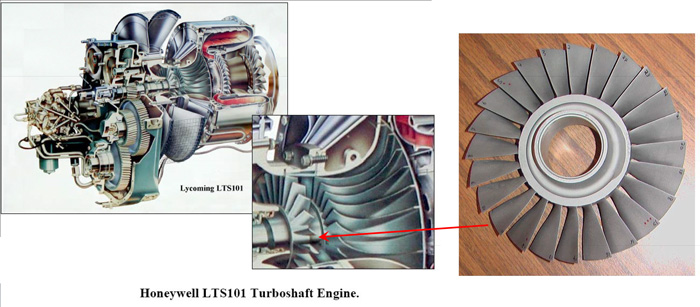
Aircraft engine turbine
Bird Strikes
Catastrophic Loss of an Engine
Sensor Requirements
30 mm Displacement of Engine Support Structure
Side-Viewing Probes
12 m Fiberoptic Cables
20 KHz Sensor Bandwidth
Space Craft
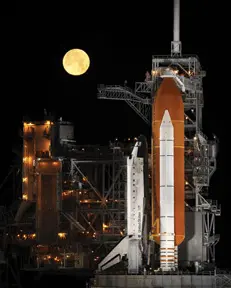
Rocket Launch Vehicles
As the space economy expands, satellite constellations are proliferating. Companies developing new rocket engines use Philtec sensors monitor turbopump rotor speed (D Models) plus radial and axial rotor displacements (RC Models) of engines in development.
Satellite Propulsion Thrust Testing
As the space economy expands, satellite constellations are proliferating. Companies developing new rocket engines use Philtec sensors monitor turbopump rotor speed (D Models) plus radial and axial rotor displacements (RC Models) of engines in development.
Space Shuttle
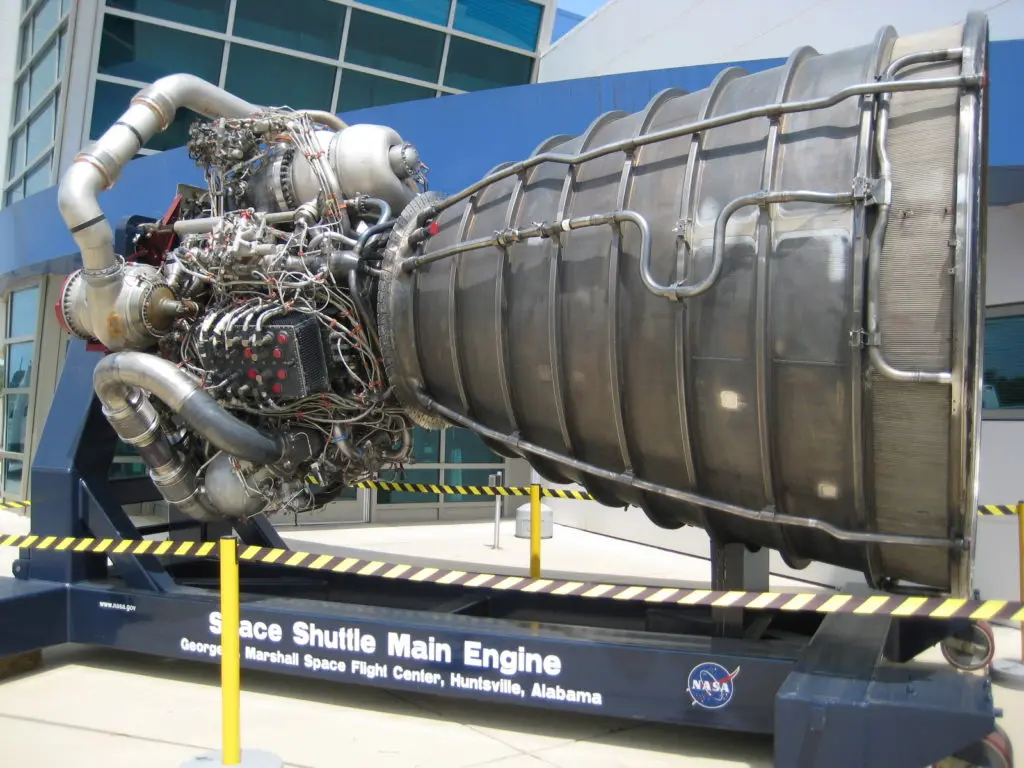
NASA’s Marshall Space Flight Center used Philtec probes in a LOX pressurized cryogenic environment to monitor bearing deflections in the Space Shuttle Main Engine.
In the wake of the Challenger disaster, Thiokol engineers used Philtec sensors installed between the joints of rocket sections to determine how much separation occurred during firing.
Rocket Engine Turbo Pumps
Philtec sensors monitor turbopump rotor speed (D Models) plus radial and axial rotor displacements (with RC Models).
Operating Environment
- Liquid Hydrogen (probe tip immersed)
- Operational Temp: -420°F
- Non-Op Temp: 0°F to 130°F
- Pressure: 2500psia (max)
James Webb Space Telescope
Philtec sensors & vacuum passthru hardware were used to measure displacements of critical components of this Hubble Replacement Telescope as they were brought down to the cold temperatures of outer space.
Philtec sensors were used to measure micron level mirror adjustments in high vacuum
ESA’s Sentinel 3 Satellite
A Philtec 6-channel displacement measurement system with vacuum passthru hardware was used to measure displacements and calculate rotations of the satellite’s focal plane structure.