by Jerry Philips | Aug 12, 2026 | Content Engine, Fiberoptic Sensors, Frequency Bandwidth
Philtec’s D Model Sensors are renowned in the industry for their outstanding high-frequency performance. Designed to meet demanding requirements, these sensors exceed the standard frequency bandwidths, providing unparalleled operational excellence. In this...
by Jerry Philips | Sep 12, 2025 | Gamma Radiation, Uncategorized
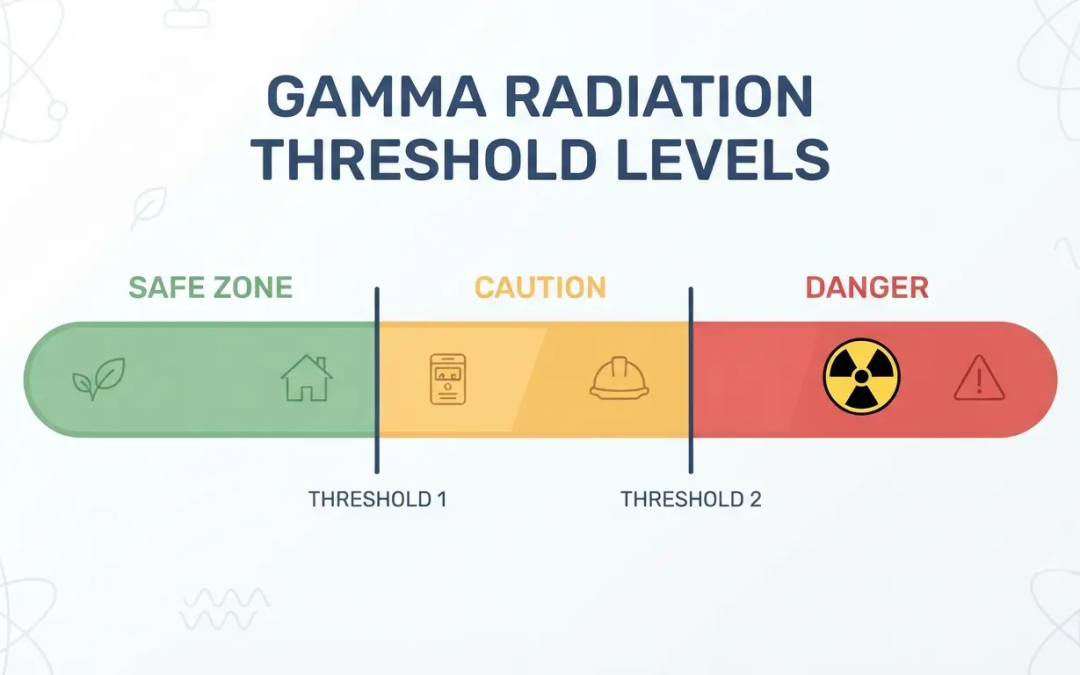
Threshold dose Levels in Borosilicate Glass Fibers <50 rad (very low dose) No detectable changes in structure, optics, or mechanics. Any induced defects are below detection limits of spectroscopy. 10² – 10³ rad (100–1,000 rad) Beginning of trace radiation-induced...
by Jerry Philips | Sep 12, 2025 | Uncategorized
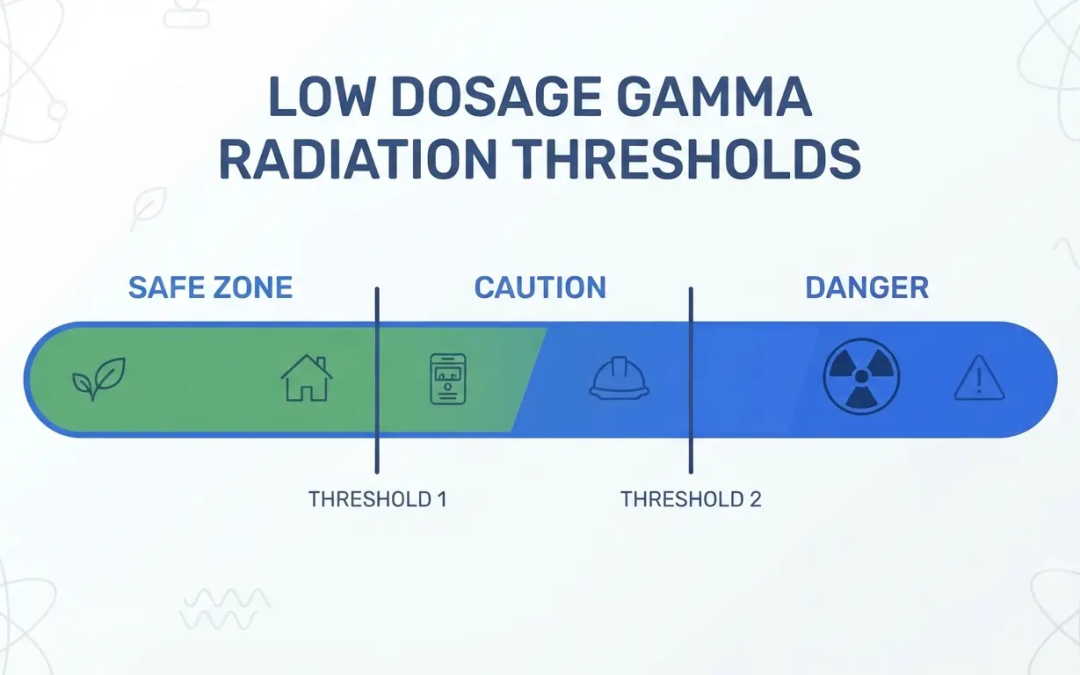
Gamma radiation can interact with borosilicate glass fibers primarily by producing ionization and electronic defects in the glass network. At very low doses (<50 rad, or <0.5 Gy), the effects are generally minimal, but a few points are worth noting: Optical...
by Jerry Philips | Jul 27, 2023 | connectors, Displacement Sensor, Fiber Optic Vacuum Passthru, Fiberoptic Sensors, FO cables
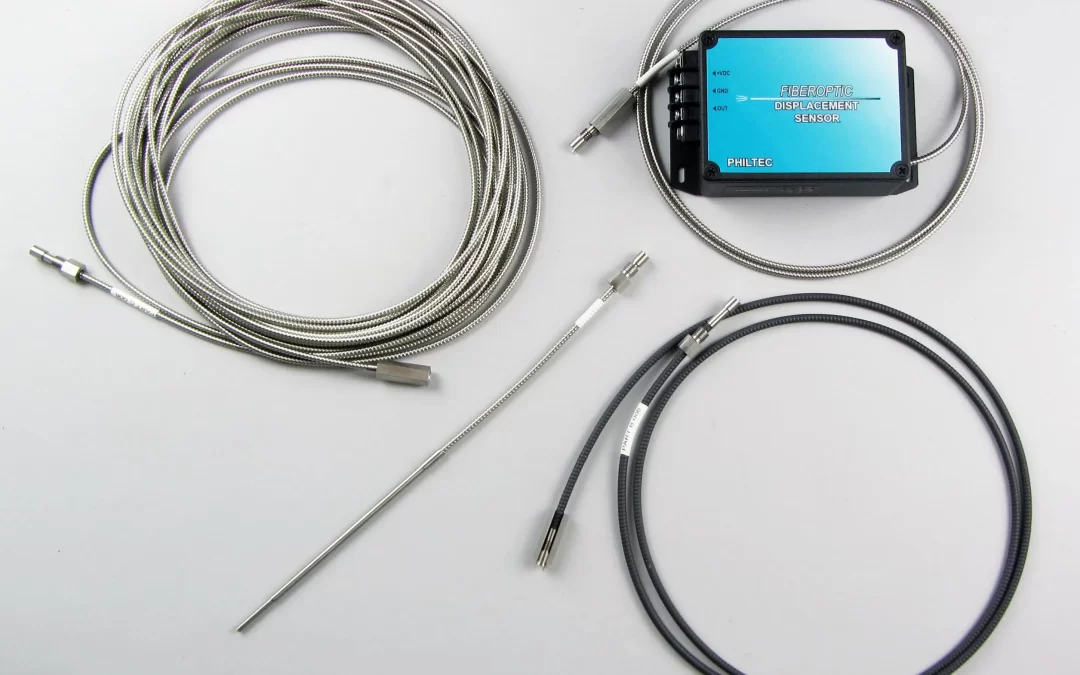
Philtec Fiber Optic sensors can make displacement measurements inside of mechanisms, machinery and vacuum chambers. To gain access to the measurement locations, Fiber Optic cables may be connectorized for the probe tips to be separated from the electronics. In some...
by Jerry Philips | Feb 10, 2023 | Fiberoptic Sensors, Non-Contact Sensing, turbine speed probes
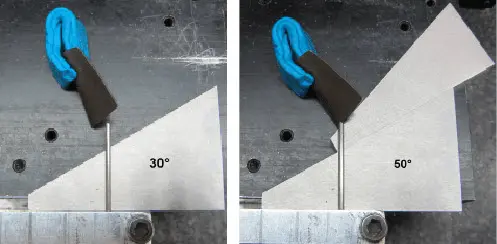
The previous App Note ‘Bending Light’ showed that the light beam emitted from a fiber optic probe can be redirected to a different emission angle by polishing the fibers at an angle to the probe axis. A new customer wants to measure turbine speed by...