by Jerry Philips | Aug 12, 2026 | Content Engine, Fiberoptic Sensors, Frequency Bandwidth
Philtec’s D Model Sensors are renowned in the industry for their outstanding high-frequency performance. Designed to meet demanding requirements, these sensors exceed the standard frequency bandwidths, providing unparalleled operational excellence. In this...
by Jerry Philips | Jul 27, 2023 | connectors, Displacement Sensor, Fiber Optic Vacuum Passthru, Fiberoptic Sensors, FO cables
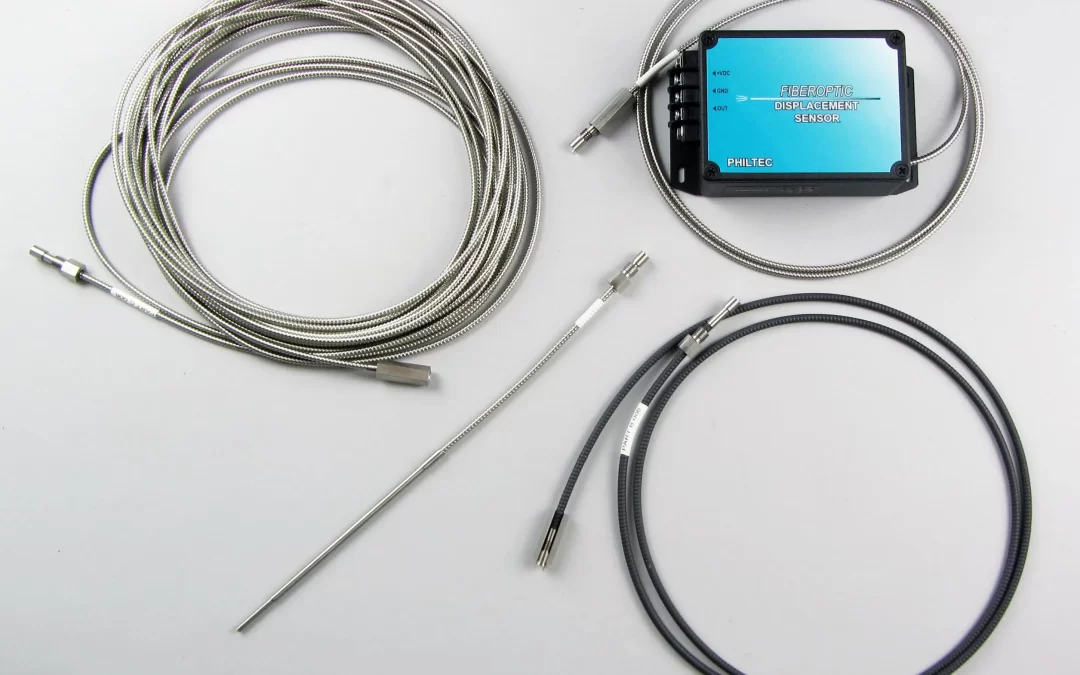
Philtec Fiber Optic sensors can make displacement measurements inside of mechanisms, machinery and vacuum chambers. To gain access to the measurement locations, Fiber Optic cables may be connectorized for the probe tips to be separated from the electronics. In some...
by Jerry Philips | Feb 10, 2023 | Fiberoptic Sensors, Non-Contact Sensing, turbine speed probes
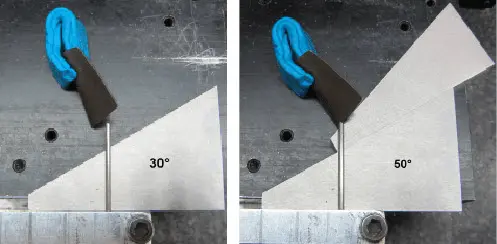
The previous App Note ‘Bending Light’ showed that the light beam emitted from a fiber optic probe can be redirected to a different emission angle by polishing the fibers at an angle to the probe axis. A new customer wants to measure turbine speed by...
by Jerry Philips | Apr 23, 2020 | 90° Probes, connectors, Displacement Sensor, Fiberoptic Sensors, Magnetic Fields, Non-Contact Sensing, Right Angle Probes
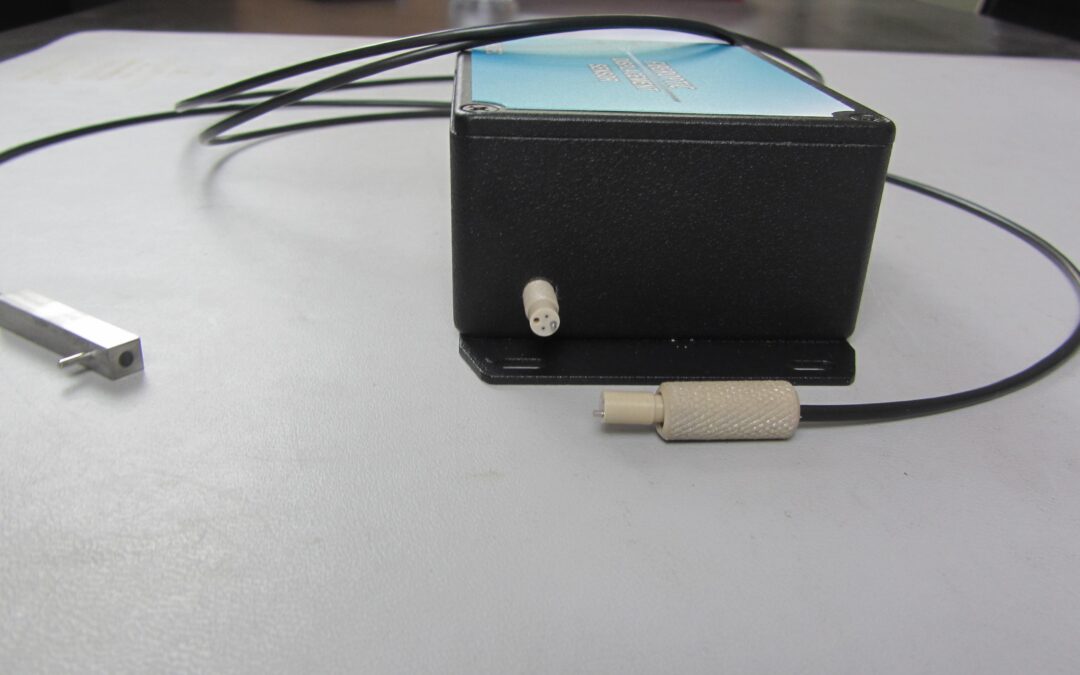
Magnetic Field Exposure requires non-magnetic materials. By jacketing the fiberoptic cable in non-metallic materials, and by constructing the sensor tip from non-metallic or non-magnetic materials, Philtec sensors can be configured to perform measurements in very high...
by Jerry Philips | Feb 5, 2020 | 90° Probes, Displacement Sensor, Fiber Optic Vacuum Passthru, Fiberoptic Sensors, Magnetic Fields, Non-Contact Sensing, Quartz Fibers
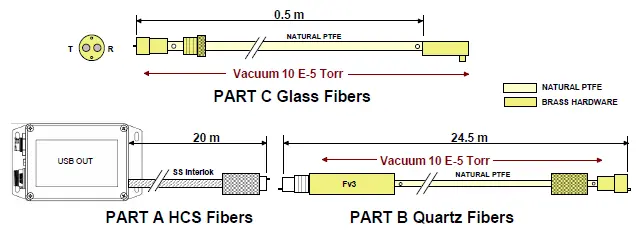
PROBLEMQuartz fibers have excellent transmission over long lengths, but they are very expensive and usually cost prohibitive. A recent customer asked for a model D171 sensor with 45 meter length for displacement measurements in vacuum and high magnetic field....
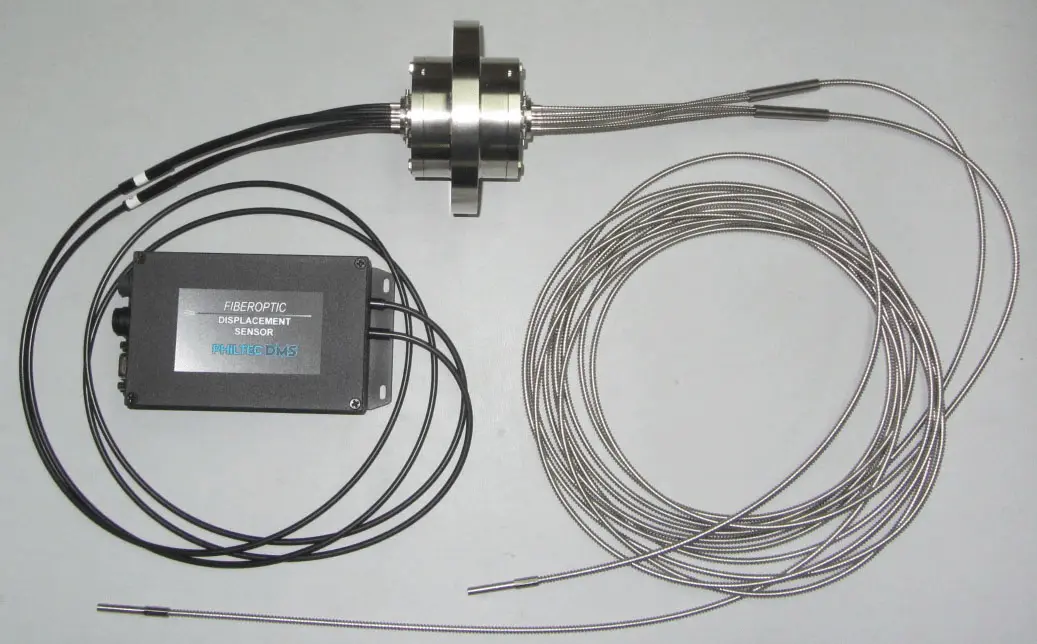
by Jerry Philips | May 23, 2019 | Cryogenic environments, Displacement Sensor, Fiber Optic Vacuum Passthru, Fiberoptic Sensors, multiplexing sensors, Non-Contact Sensing, Quality Control, space cryogenics, Space Telescope Lens
The Euclid Satellite project a good example of Philtec’s sensors being used with excellent results in cryogenic conditions. A technical paper published in 2012 shows Philtec’s high precision sensors were successfully used at 150°K to verify the distortion of...