
Blog
See how Philtec fiber optic sensors solve measurement challenges in aerospace, energy, cryogenics, medical technology, vacuum systems, high-pressure environments, and advanced research applications.
Turbine Speed Probes
The previous App Note 'Bending Light' showed that the light beam emitted from a fiber optic probe can be redirected to a different emission angle by polishing the fibers at an angle to the probe axis. A new customer wants to measure turbine speed by sensing the...
Philtec Sensor in a Research Paper
Through the years, we always appreciate customers telling us the sensors have been successful in their application. Here is our latest testamonial. Dear Philtec workers, We are pleased to inform you that recently Surface Technologies Research Group from Mondragon...
2 TESLA EXPOSURE
Magnetic Field Exposure requires non-magnetic materials. By jacketing the fiberoptic cable in non-metallic materials, and by constructing the sensor tip from non-metallic or non-magnetic materials, Philtec sensors can be configured to perform measurements in very high...
Sensor Overview
This short video highlights Standard and Customized Sensors. These devices are commonly inserted/installed into equipment or machinery that may present extreme conditions to the probes. Most applications require some customization of the probes and fiber optic cables....
Measuring Embedded Objects
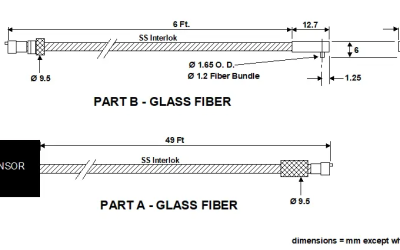
Tiny 90° Probes Philtec specializes in the...
Custom Probes
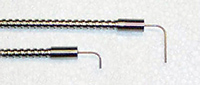
Special Probes Made To Customer Requirements...
Space Telescope Lens Tests
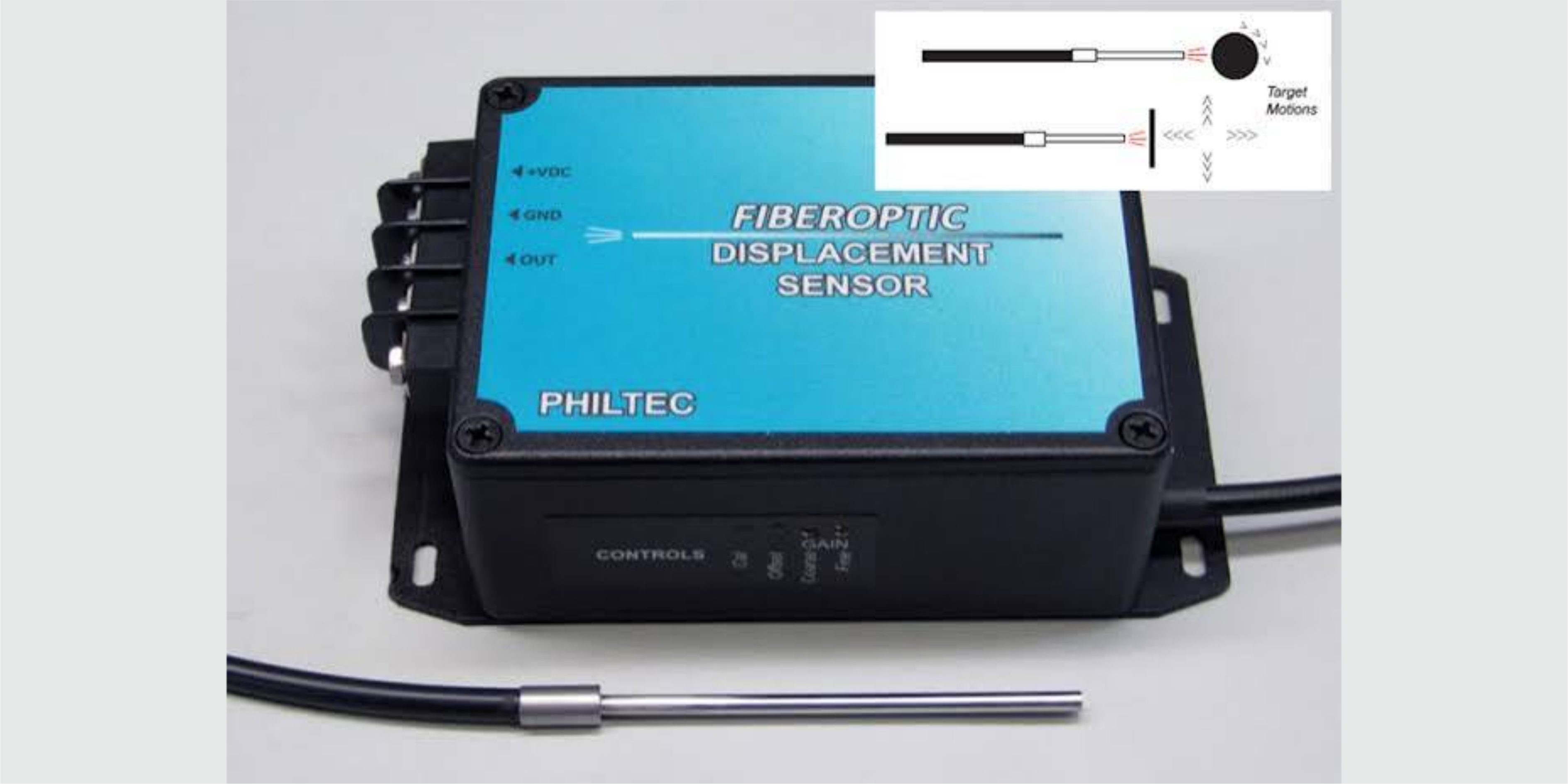
It's not often we discover how well Philtec...
SENSORS for 400°C
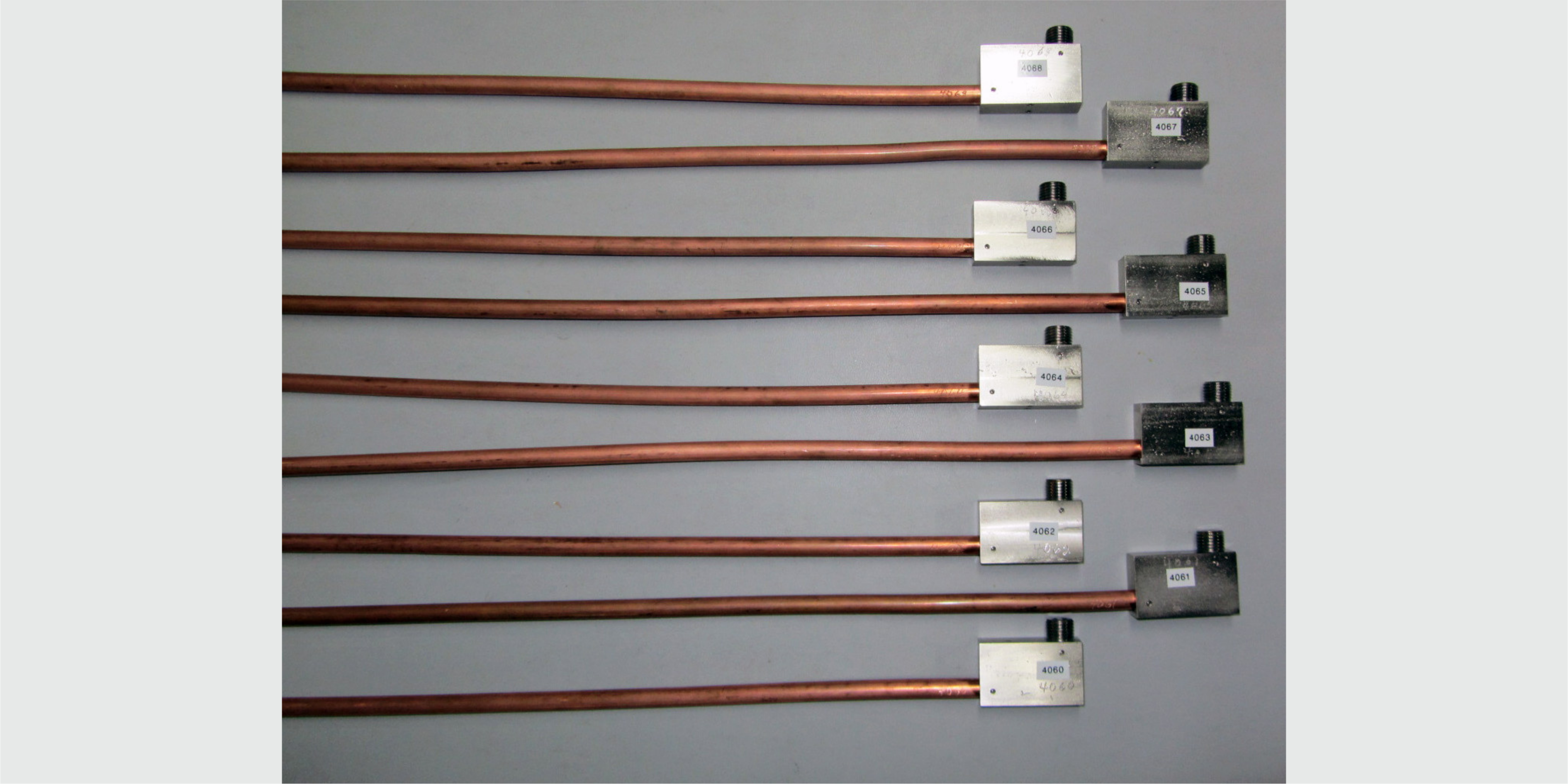
CUSTOMER FEEDBACK "We just got some feedback...
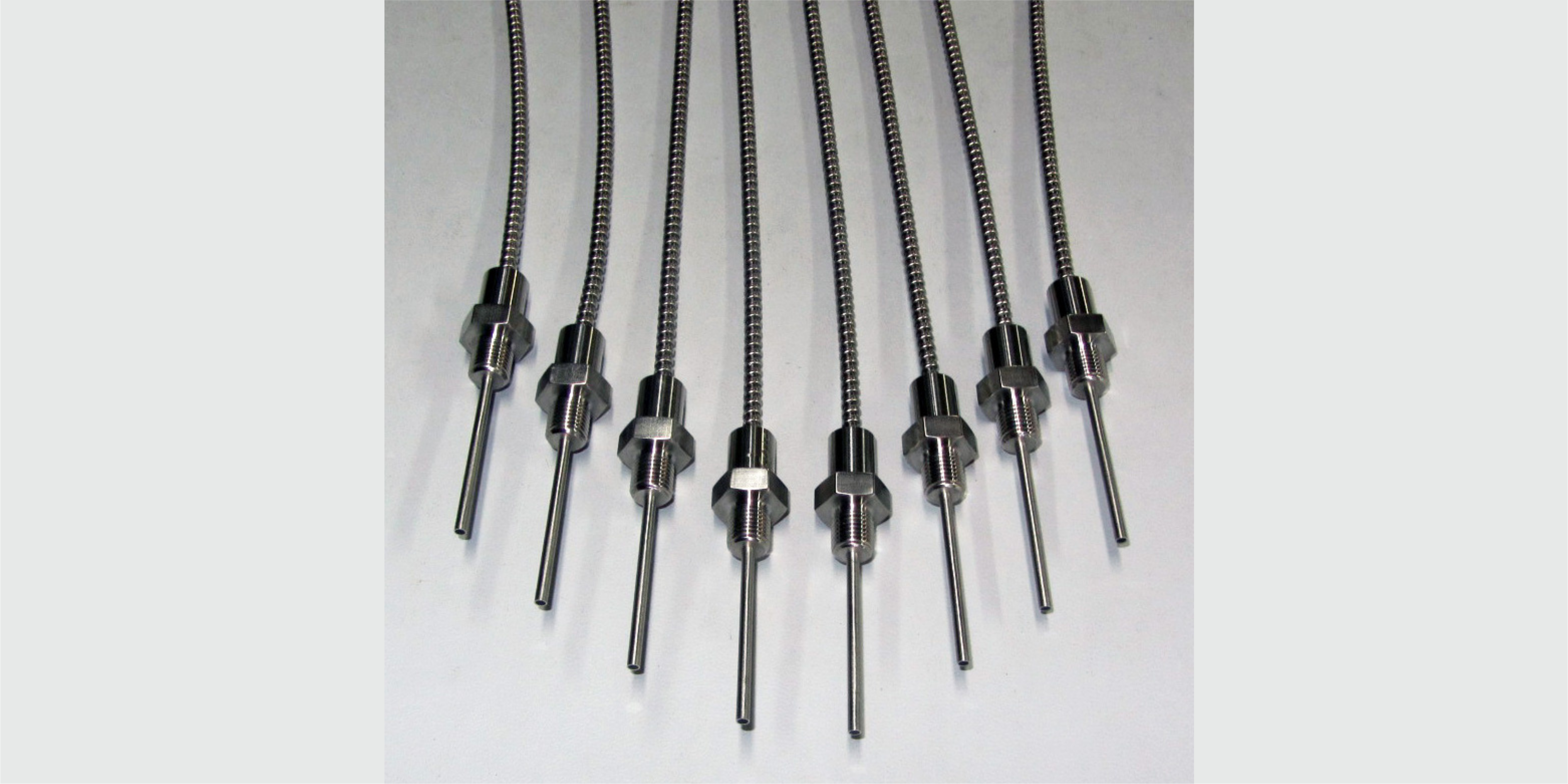
Probes for Cryogenic Turbo Pumps
Philtec builds custom displacement sensor...
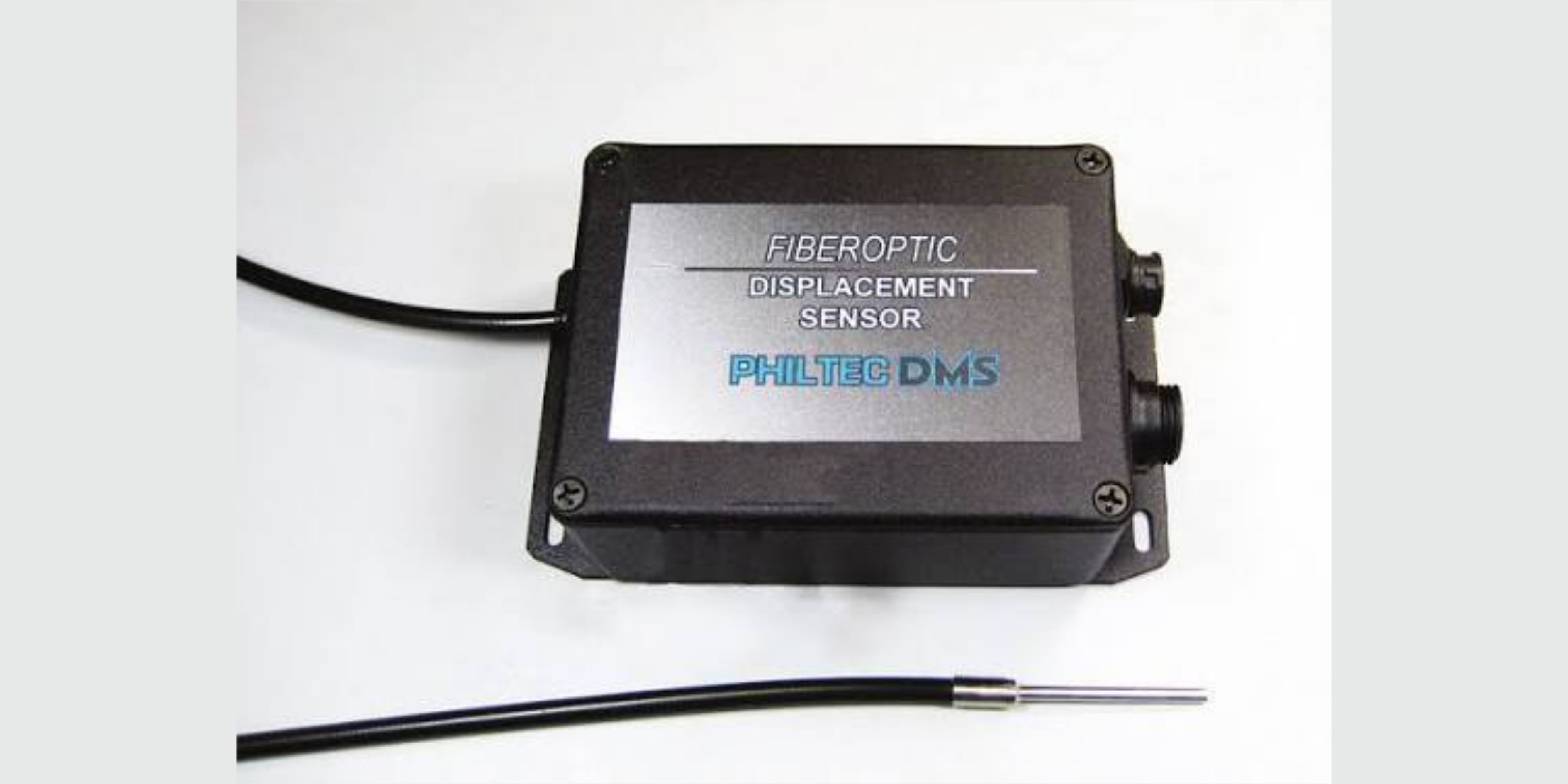
1000°F Application
CUSTOMER FEEDBACK "I wanted to let you know the...
High Pressure Applications
There are three options for sealing the leak...
An Interview With The Founder of Philtec
https://youtu.be/Qs-Lcyvdtus
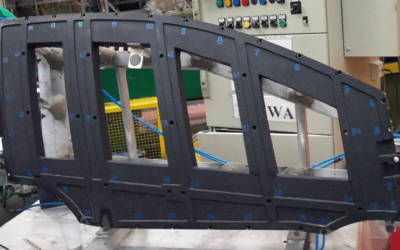
Curved Glass Shape Turnkey Solution
Philtec has partnered with the Italian company...
Sensor Probe Installations with Tilt
Sensor probes are to be generally mounted normal...
Glass Shape Gaging
The shape of curved glass windows in automated...
Wireless Sensors for Turbine Blade Tip-to-Casing Cold Clearance Measurements
Gas and steam turbine manufacturers of fossil...